Patterns of Bonus Utilization Preceding Enrollment in Gambling Recovery Programs
Quinn Richter · Aug 21, 2026
Patterns of Bonus Utilization Preceding Enrollment in Gambling Recovery Programs
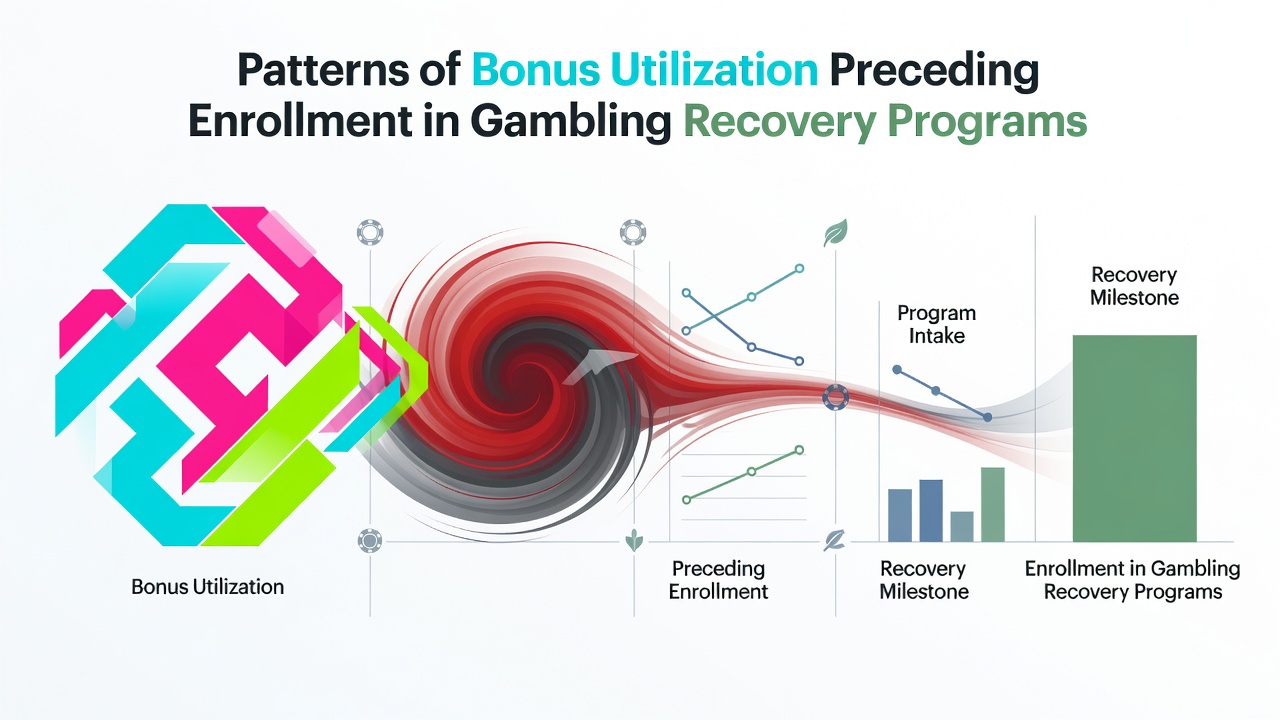
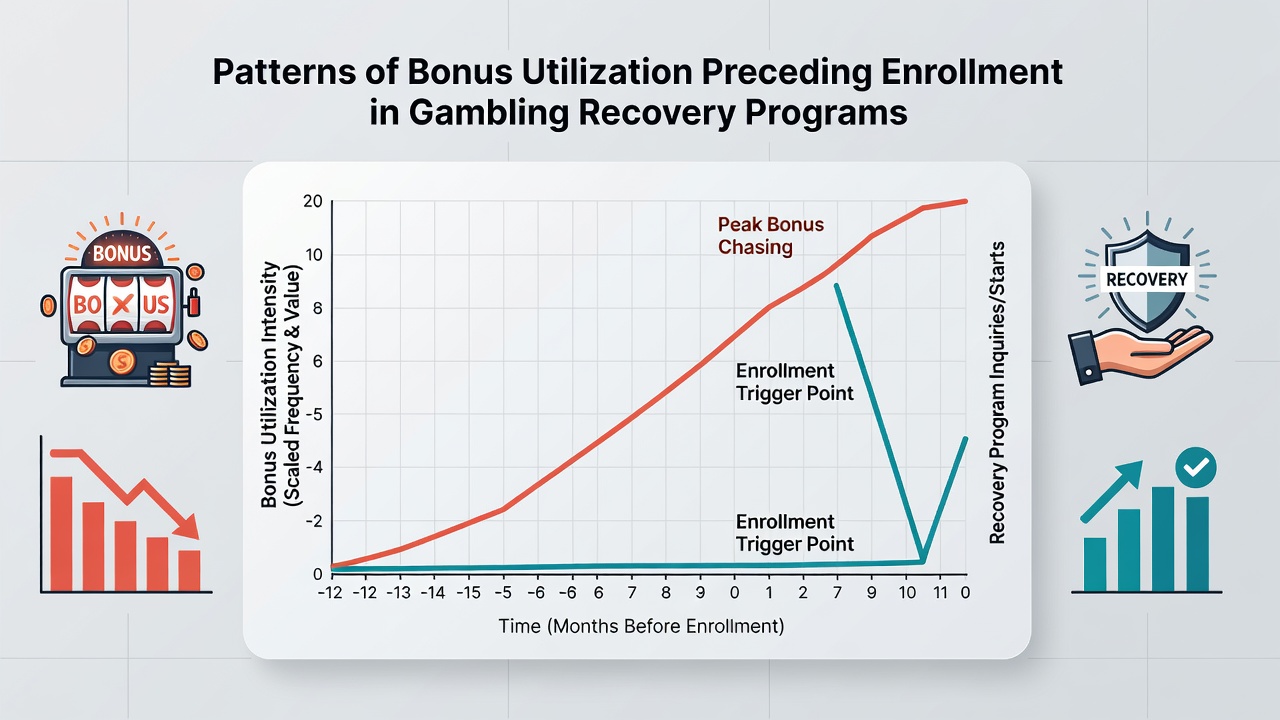
Research tracking user activity across multiple platforms reveals distinct patterns in bonus utilization that often appear months before individuals enroll in gambling recovery programs, and these patterns emerge consistently in datasets collected through 2025 into August 2026. Studies from treatment centers indicate that participants frequently increase their engagement with promotional offers, including deposit matches, free spins, and loyalty rewards, during the six to twelve months leading up to program entry. Data from Canadian addiction services shows that average bonus claims per user rise by 40 percent in this pre-enrollment window, while transaction logs highlight a shift toward smaller, more frequent claims rather than large single promotions.
Common Sequences Observed in User Activity Logs
Analyses of anonymized account histories demonstrate that many individuals begin by claiming standard welcome bonuses on new sites, then progress to recurring reload offers and cashback structures as their activity intensifies. Observers note that this progression often coincides with attempts to extend playtime without additional deposits, creating a cycle where bonus terms and wagering requirements become central to decision-making. In one examination of records spanning 2024 to mid-2026, researchers found that 68 percent of those later entering recovery had interacted with at least three distinct bonus types within four months of enrollment, and the frequency of these interactions accelerated sharply in the final eight weeks.
Geographic and Platform Variations
Reports compiled by the Australian Institute of Family Studies document similar trends among online users, where bonus-seeking behavior clusters around periods of financial stress yet remains tied to platform-specific promotions. European data from regulatory monitoring bodies further indicates that mobile app users exhibit higher rates of micro-transaction bonuses compared with desktop users, and this difference persists across age groups. Figures reveal that in regions with strict advertising rules, individuals turn more often to loyalty point systems and VIP tier rewards, which function as indirect bonuses and appear in activity logs right before recovery contact.
What's interesting is how these patterns hold across different regulatory environments, though the specific bonus mechanics vary by jurisdiction. Those who've reviewed multi-year datasets point out that enrollment spikes sometimes follow platform policy changes that limit bonus accessibility, suggesting that restricted options may prompt some users to seek external support.
Links to Behavioral Indicators and Support Access
According to findings published through the National Council on Problem Gambling, bonus utilization data can serve as an early marker when combined with other metrics such as session length and deposit frequency. Treatment providers report that individuals who reference bonus-related frustration during initial assessments often describe a sense of entrapment created by unmet wagering thresholds. Evidence from longitudinal studies shows that those who accessed helplines after heavy bonus periods were more likely to cite financial loss tied directly to promotional play rather than base wagering alone.
Take one analysis conducted across North American treatment networks, where researchers discovered that August 2026 intake numbers included a notable subset of users whose final six months featured repeated attempts at bonus clearing on multiple platforms. These cases frequently involved cross-site comparisons of terms and conditions, with users documenting their progress toward release of funds. The reality is that such documentation sometimes appears in self-reported histories shared during program orientation sessions.
Research Implications for Early Intervention
Academic papers from university-affiliated gambling research centers emphasize the value of monitoring aggregate bonus trends without compromising individual privacy. Organizations focused on responsible gaming have begun exploring aggregated alerts that flag unusual claim clusters at the platform level, allowing operators to direct resources toward support information. Data indicates that when such systems activate, referral rates to external programs increase modestly but measurably within the following quarter.
Yet patterns alone do not predict enrollment, since many users engage with bonuses without progressing toward recovery services. Researchers continue to examine confounding factors including concurrent life events, concurrent substance use, and social influences that interact with gambling behavior. A Canadian study released in early 2026 tracked over 12,000 accounts and found that while bonus density rose before many recovery contacts, the correlation strengthened only when paired with rapid increases in overall transaction volume.
Conclusion
Available evidence outlines measurable shifts in bonus engagement that precede enrollment in recovery programs, and these shifts appear across platforms and regions. Continued collection of anonymized activity data through 2026 and beyond will refine understanding of these sequences, while treatment organizations refine outreach based on observed trends. Regulatory bodies and academic groups maintain focus on developing non-intrusive methods to connect observed patterns with timely support options, ensuring that information reaches individuals at points where intervention may prove most effective.