Deposit Bonus Structures and Their Timing in Relation to Addiction Symptom Recognition via Self-Tests
Amir Berger · Aug 24, 2026
Deposit Bonus Structures and Their Timing in Relation to Addiction Symptom Recognition via Self-Tests
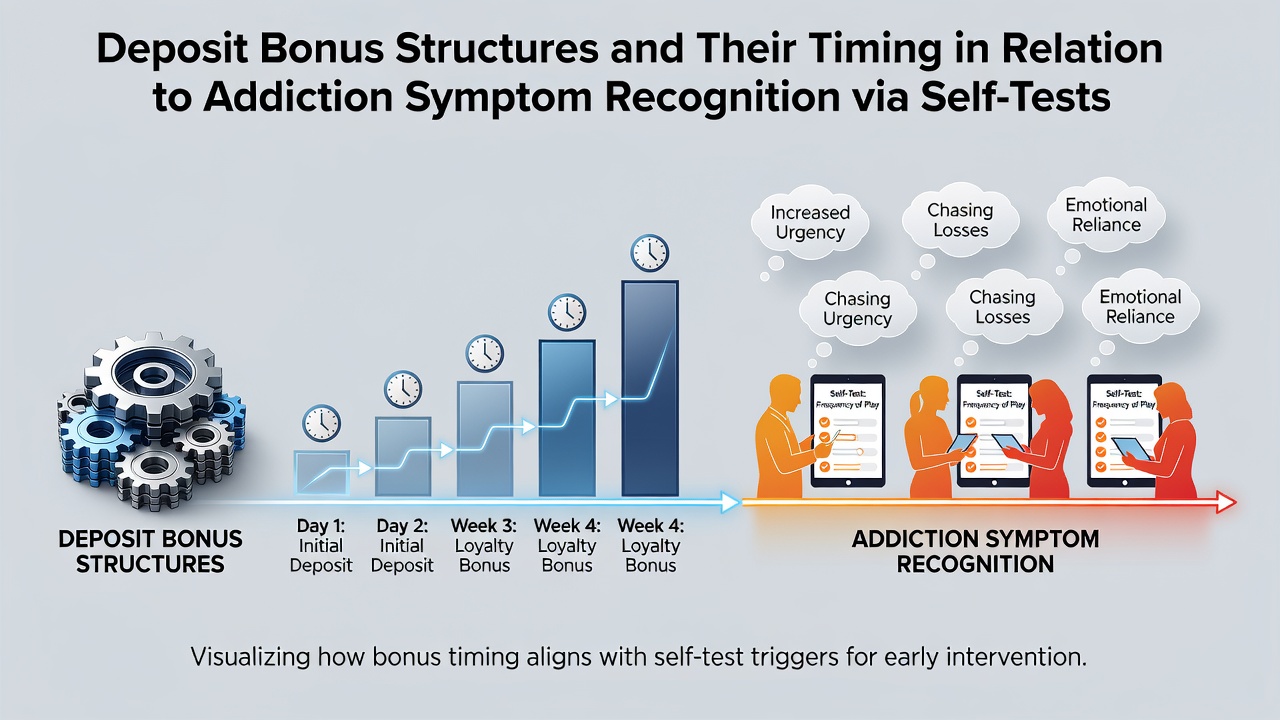
Deposit bonus structures typically include percentage matches on initial deposits, fixed amount credits, and tiered rewards that activate after multiple deposits, while their timing often aligns with player registration cycles or promotional calendars that operators release in batches throughout the year. Researchers have documented how these elements intersect with self-assessment tools that measure behavioral indicators such as increased deposit frequency and loss-chasing patterns.Common Deposit Bonus Formats and Activation Rules
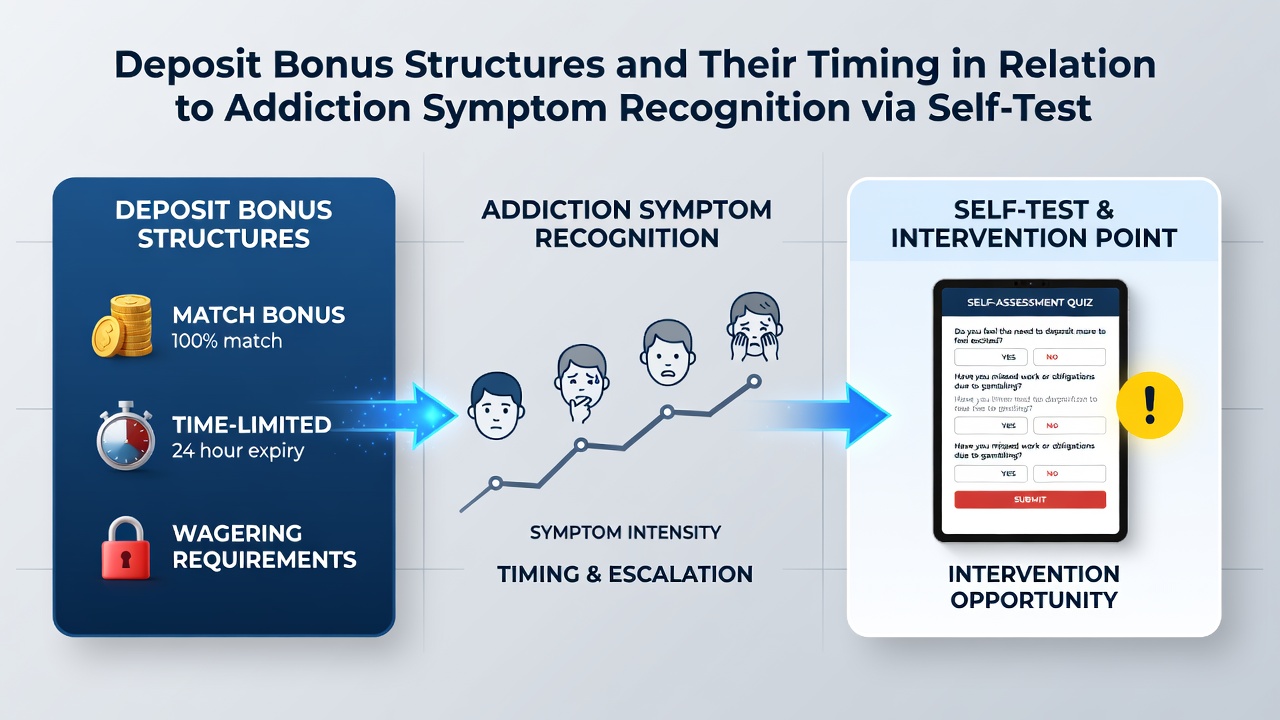
Match bonuses provide a set percentage of the deposited amount up to a maximum cap, whereas reload bonuses repeat similar offers on subsequent deposits and cashback structures return a portion of net losses over defined periods. Observers note that activation frequently requires wagering requirements expressed as multiples of the bonus amount, and these conditions influence how quickly funds become withdrawable. Data from regulatory filings show that many platforms schedule these incentives during specific windows, including post-payday periods or holiday seasons when user activity tends to rise.
Timing Patterns Observed Across Platforms
Studies tracking operator calendars indicate that bonus releases cluster around the start of calendar months or coincide with major sporting events, creating predictable intervals where players encounter repeated deposit prompts. In August 2026, several regional reports highlighted shifts in these schedules following updates to responsible gambling protocols that encouraged staggered rather than front-loaded offers. Those who've analyzed transaction logs find that early-month bonuses correlate with higher initial deposit volumes, while mid-cycle reloads appear tied to attempts to recover from prior sessions.
Self-Tests for Recognizing Behavioral Indicators
Standardized self-assessment instruments such as the Problem Gambling Severity Index and the South Oaks Gambling Screen ask respondents to rate frequency of behaviors including betting more than intended, needing to gamble with increasing amounts, and experiencing withdrawal symptoms when attempting to stop. These tools generate numerical scores that categorize risk levels from low to severe, and they are available through health agency websites in multiple countries. Evidence from longitudinal surveys shows that repeated use of such tests helps identify escalation in deposit activity before financial thresholds are crossed.
Links Between Bonus Timing and Symptom Emergence
Analyses of anonymized player data reveal that clusters of deposit bonuses arriving within short succession windows correspond with accelerated movement through risk categories on self-tests, particularly when wagering requirements encourage continued play to unlock funds. Figures from the Australian Institute of Health and Welfare demonstrate that individuals who complete self-assessments during periods of frequent promotional activity report higher scores on items related to chasing losses and preoccupation with gambling. The reality is that timing matters because bonus availability can reinforce the very patterns the tests are designed to flag, such as returning to a platform sooner than planned.
One study released through the Canadian Centre on Substance Use and Addiction examined deposit logs alongside periodic self-test submissions and found measurable increases in symptom scores among participants exposed to reload offers spaced less than seven days apart. Researchers discovered that players who delayed self-testing until after exhausting bonus cycles tended to record more advanced indicators compared with those who assessed earlier in the promotional sequence.
Regional Data and Regulatory Context
According to the European Monitoring Centre for Drugs and Drug Addiction, behavioral addiction monitoring programs in several member states now incorporate questions about bonus utilization into routine surveys, yielding datasets that track correlations between incentive structures and help-seeking behavior. Similar initiatives in North America collect parallel information, allowing cross-regional comparisons that highlight how different bonus timing models affect self-reported symptom trajectories. Those who review the aggregated statistics note consistent patterns where front-loaded deposit matches precede steeper rises in test scores during the first quarter of participation.
Conclusion
Deposit bonus structures and the intervals at which they appear continue to intersect with self-test outcomes in measurable ways, as evidenced by transaction analyses and survey responses collected across multiple jurisdictions. Ongoing data collection efforts, including those scheduled for release after August 2026, will further clarify these relationships and support refinement of both operator practices and assessment tools.